
Our Solar Panel Services
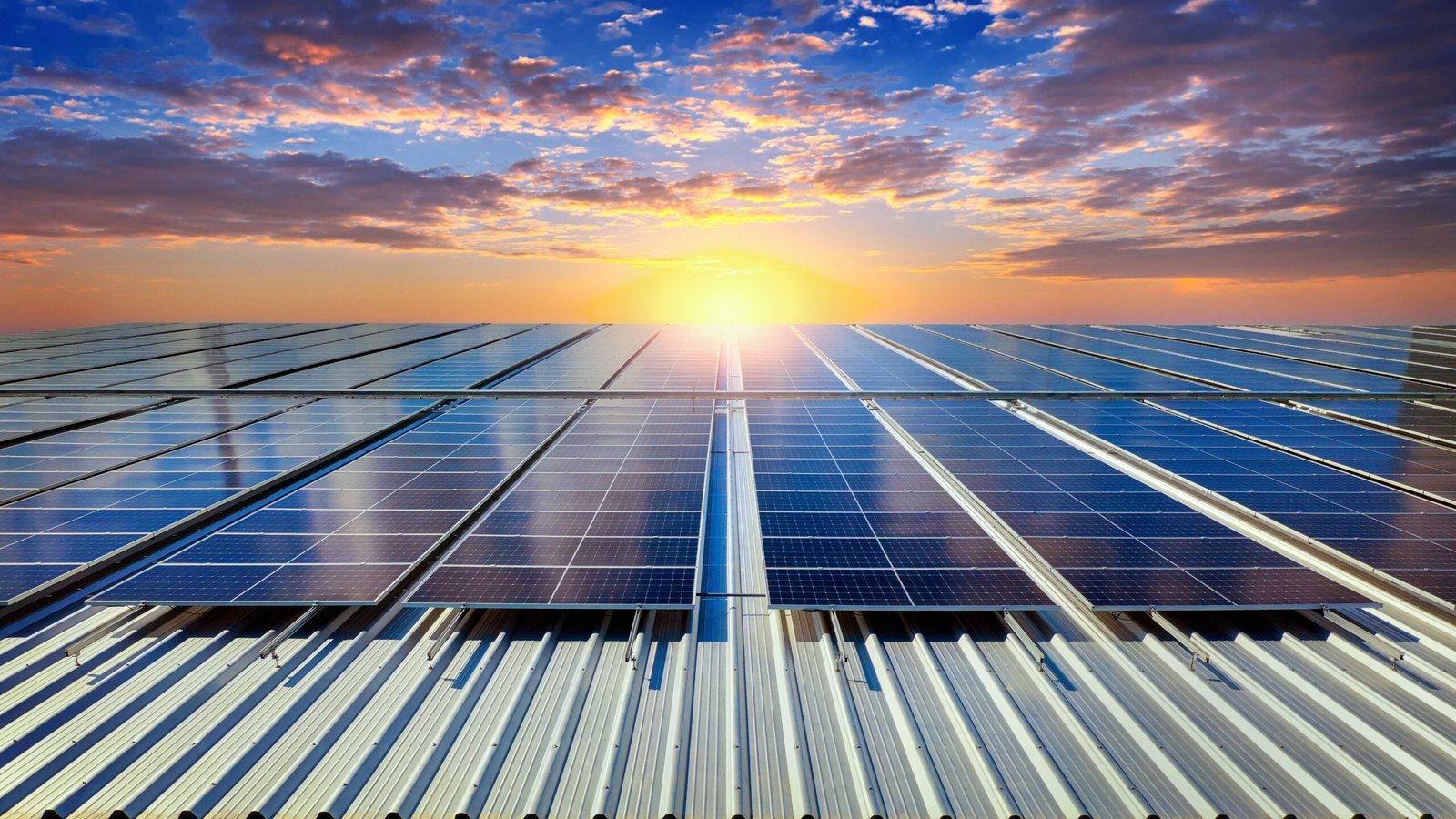
Cleaning of Solar Panels
The first step to any successful solar project is to find out how much electricity you use, how much roof area is available to install solar, your exact location, and your future needs. To do this we start with a consultation to discuss your electricity use per month, peak demand, budget, and goals.
From this information we will help you select the type of solar system (on-grid, off-grid or hybrid) that works best for you.
Once we have the information we will provide you with estimates for expected energy output, the amount of money that will be saved by using solar, and the estimated time until you will have a payback (full return on investment). This information provides the foundation of the solar solution that has been tailored to meet your specific needs.
Conducting a Site Survey and Assessment
A thorough site survey is essential to designing a solar system that provides the maximum energy output possible.
Our technician will visit your home or business and assess the roof orientation, the tilt angle of the solar panels, shading conditions on the roof, the available roof space, and the structural integrity of the roof.
We will also gather information on the amount of irradiance (sunlight) hitting the potential site, how the shading varies (trees nearby, adjacent buildings), and the seasonal fluctuations in solar exposure to calculate the applicable solar energy for the solar system we design for you.
A thorough site evaluation can provide an accurate picture of the best solar
engineering practices, increasing energy yield from the solar system, and creating long-term reliability with your solar installation.

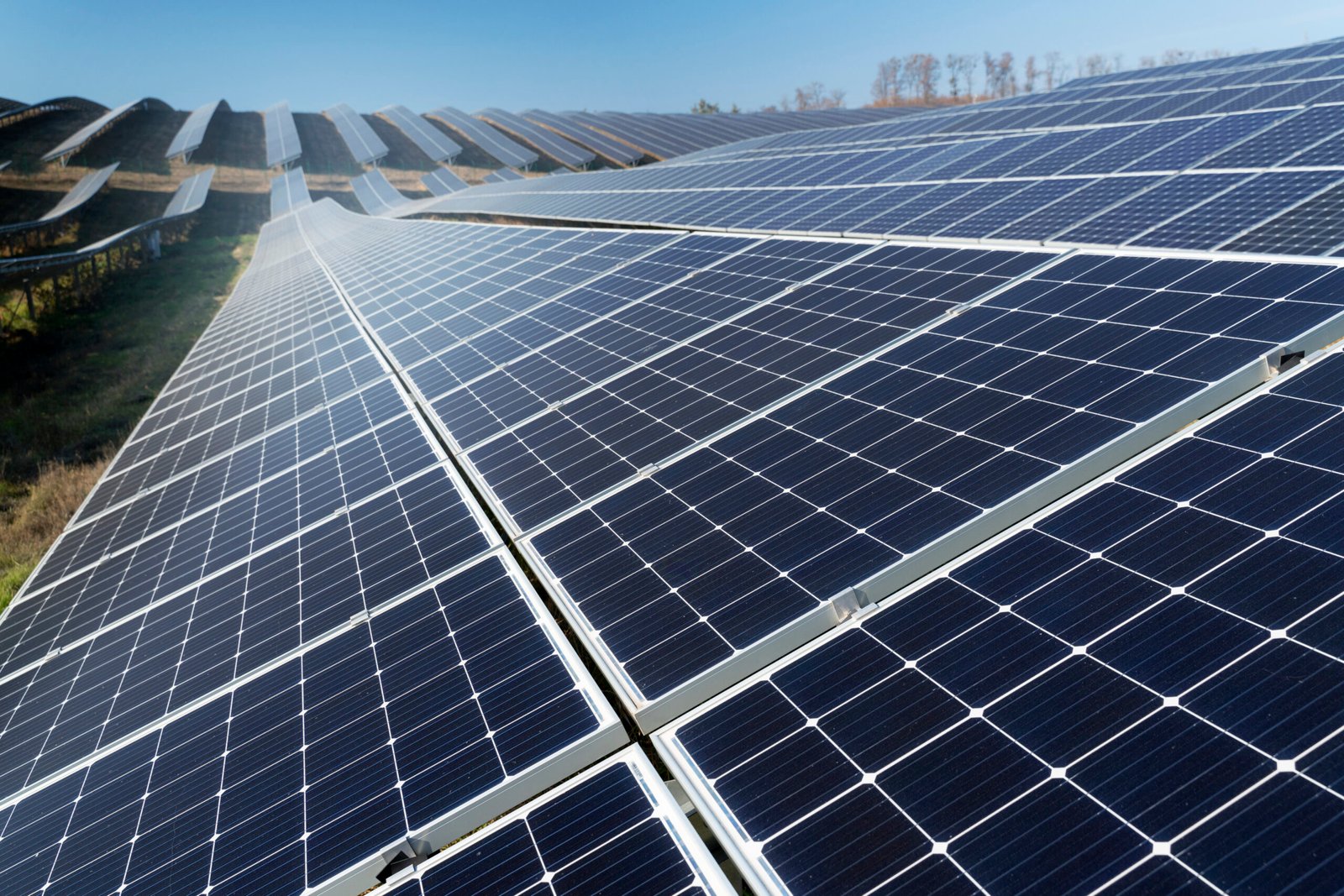
Creating a Unique System Design
We do not have “one-size-fits-all”, “cookie-cutter” systems. We believe each solar project should be treated individually.
Based on the information gathered from your previous discussions and the site survey, we create a unique layout for your solar array.
The unique solar layout will specify the type of panels (mono-crystalline or
poly-crystalline), the type of inverters used, the mounting structures, wiring, safety devices.
Panel Procurement / Quality Control
We procure panels and other solar-related components from only reputable suppliers, such as:
- Warrantied panels with proven performance records
- Quality inverters with maximum power point tracking (MPPT) technology for higher-efficiency DC-to-AC power conversion
- All mounting structures, cabling, and safety equipment made from materials that resist corrosion.
- We procure all of the above components with a long-term, safe, and reliable energy production focus.
Professional and Safe Installation
Installation is when your design comes alive.
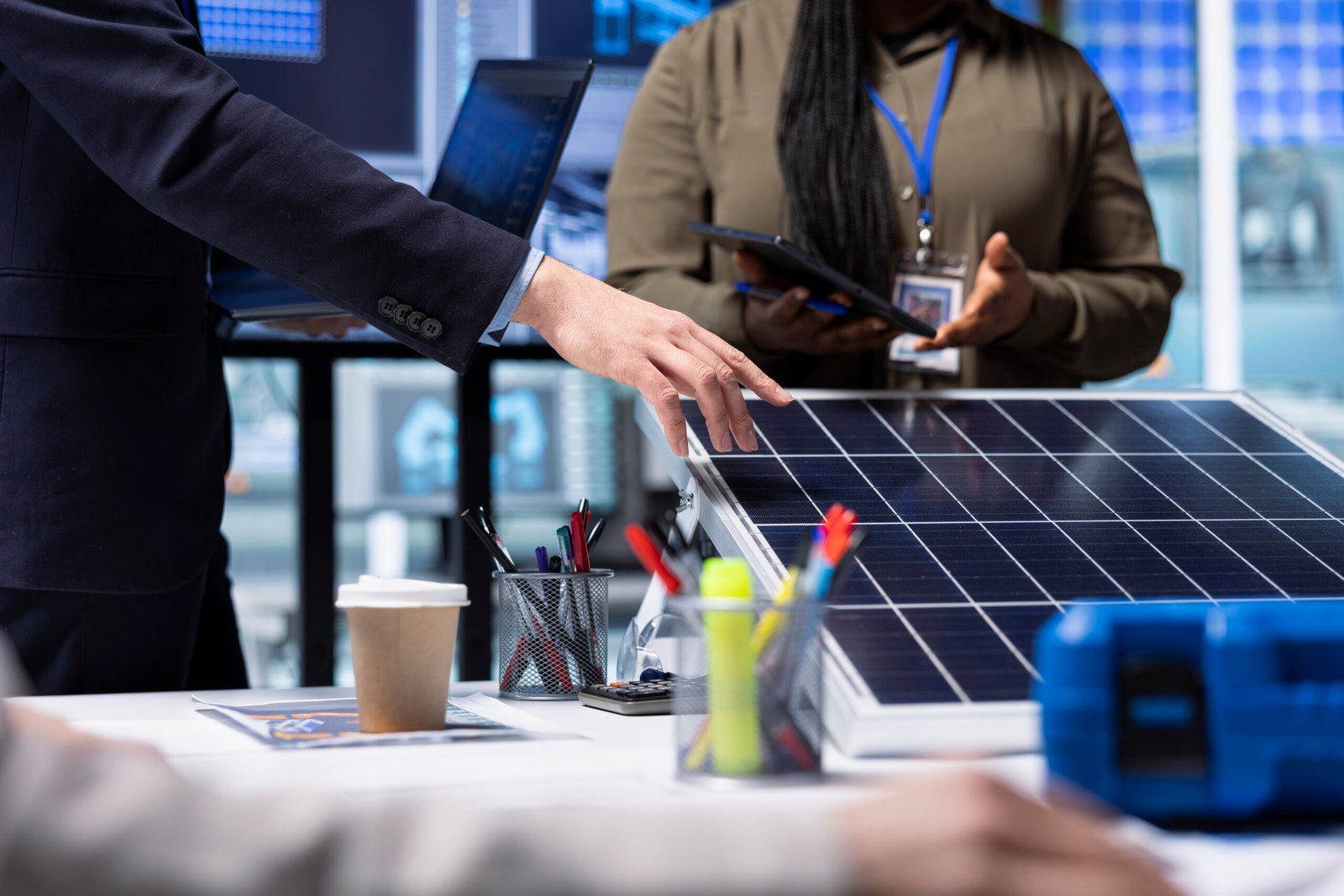
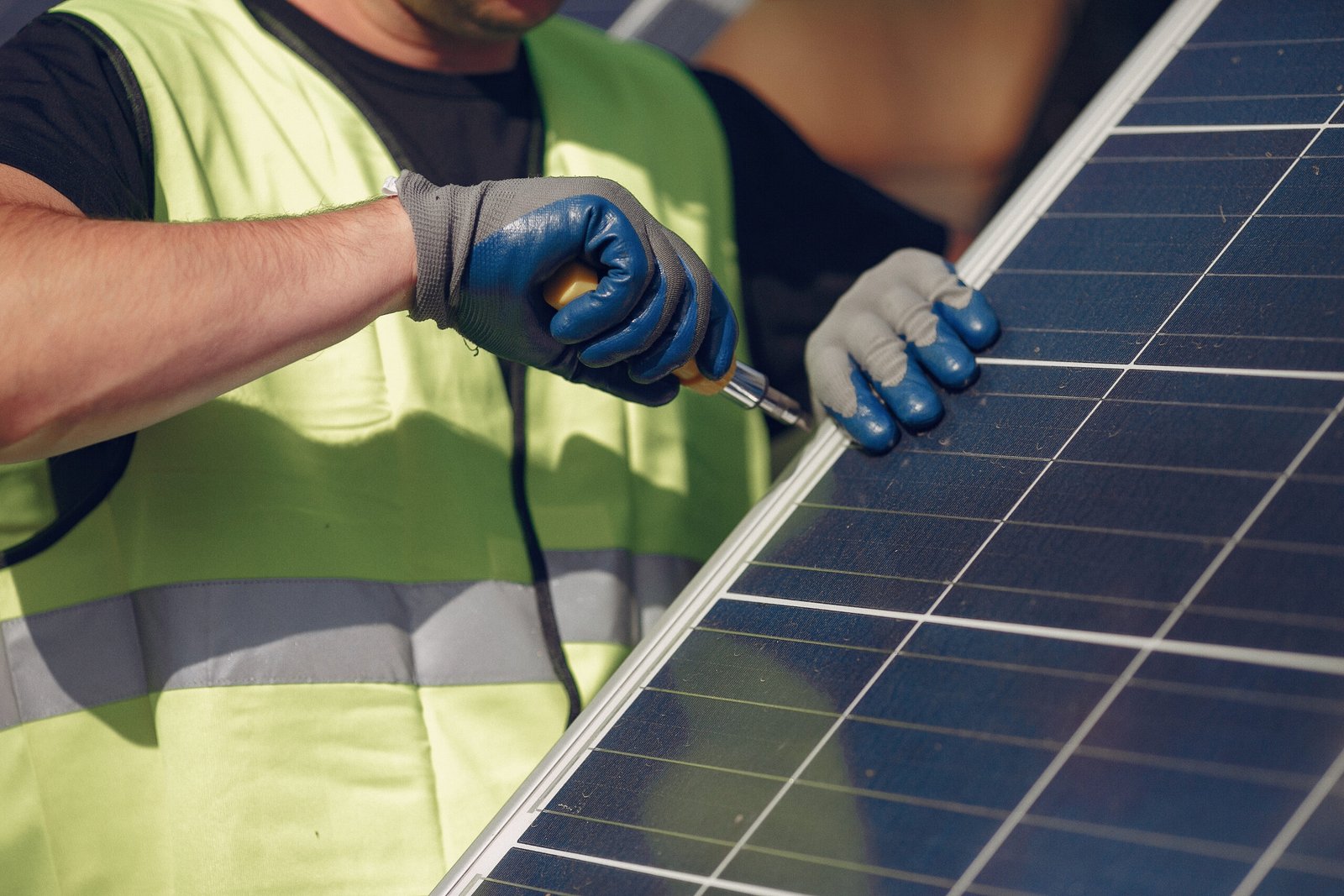
Our installation staff will professionally mount solar panels, design inverters, and integrate all electrical systems and grounds while installing safety protection equipment. We follow all safety-approved standards set by local laws and Industry Associations. We are meticulous with our installations, performing them with a high degree of precision whether you are mounting the equipment on your roof or on your front lawn. We coordinate and prepare all equipment for mechanical and electrical interaction with each other during the installation process, and we will keep you informed during every step of that installation.
Grid Connection & Net-Metering Assistance
For customers who have their solar energy systems connected to the electrical grid, we can help with:
● Applying for net metering credits (government incentive), and;
● Facilitating the connection to your Local Utility and/or your Distribution Company for connection to the Grid; and;
● Establishing and installation of the Net Meter. By doing this, customers can send excess energy back into the grid and be credited for that energy on their electricity bill, making it easier for you to navigate the sometimes time-consuming regulatory process necessary to connect your solar to the grid.

Installation & Performance Testing
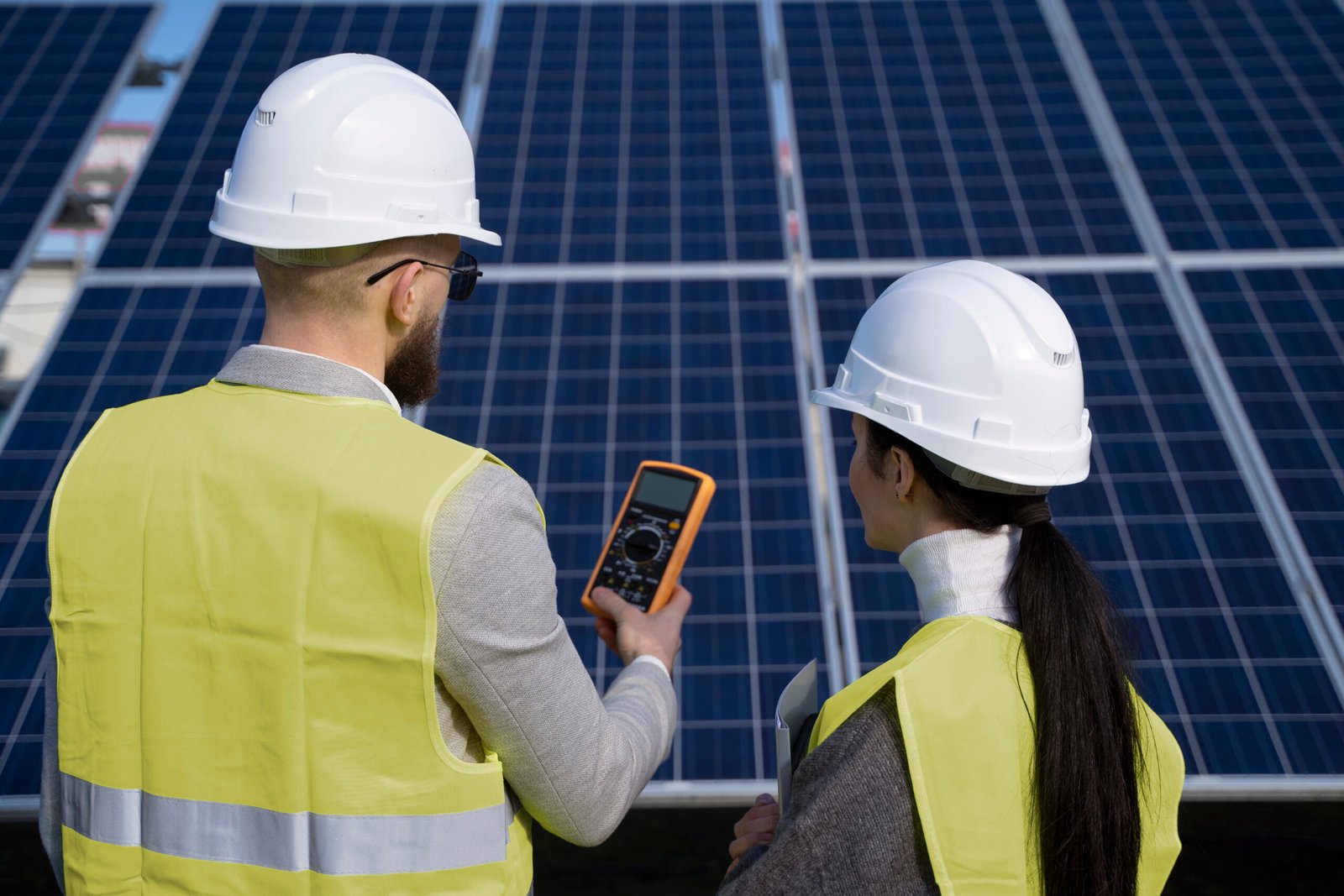
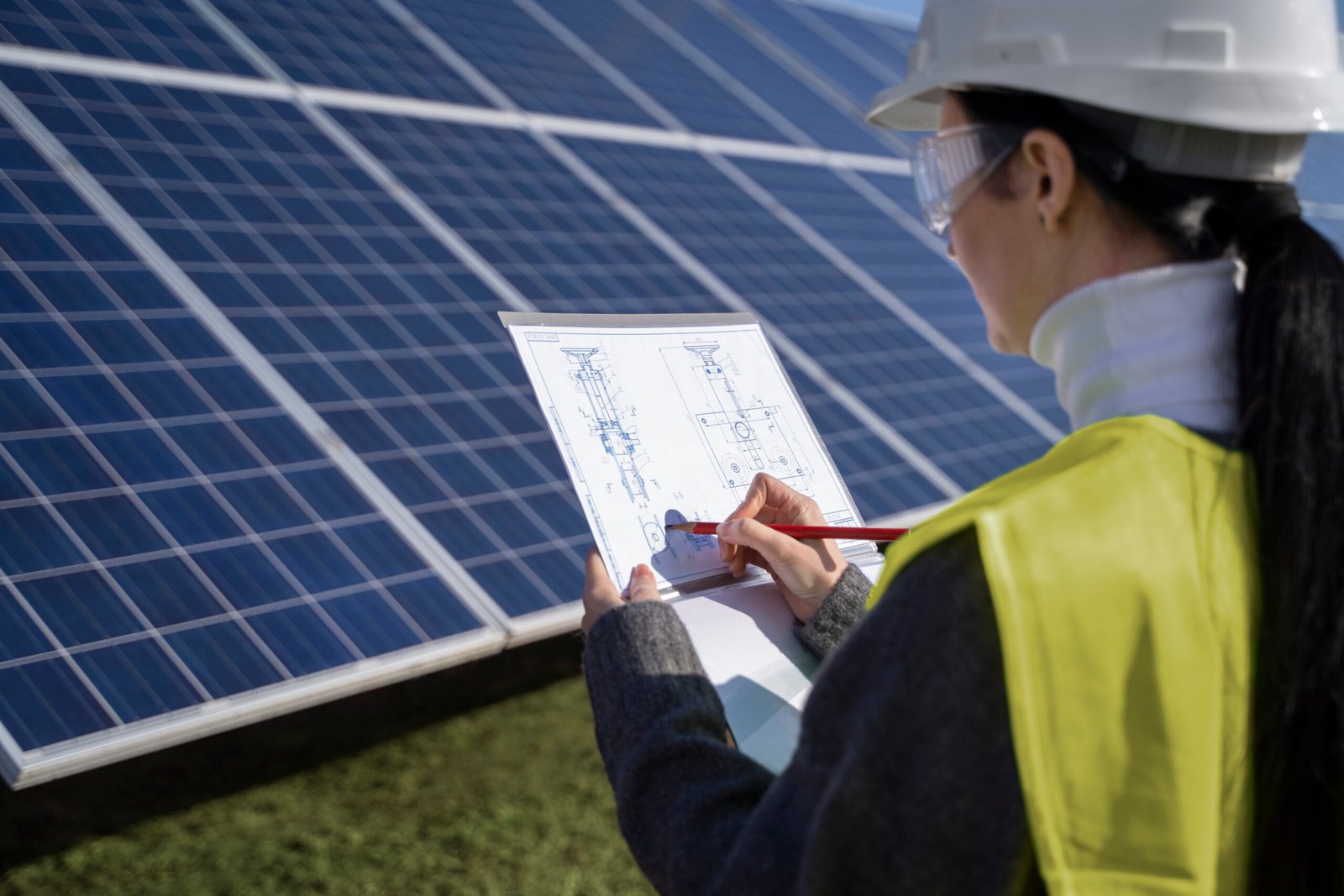
Before we hand our systems over to our customers to use, we conduct the following tests on each solar system we install:
● Ensure all electrical components are in compliance with all current safety regulations.
● Verify the total energy output of the solar panels.
● Calibrate and configure the inverter associated with the solar panels.
● Enable and verify that the system is functioning properly.
When all of these referenced performance standards have been met, we consider the system to be installed and we will provide the customer with operating instructions and warranty information.